In what
ways does your media project use, develop or challenge forms and conventions of
real media products?
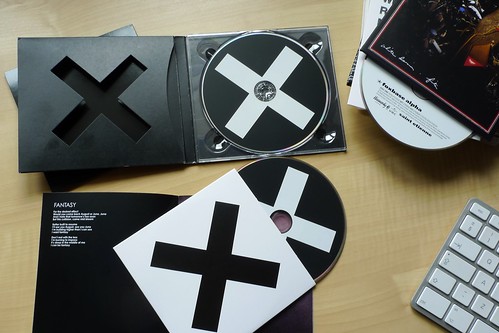
My media production is in the form of a music video as well as the ancillary task of creating a promotional package. The song that I chose to make a music video for was “Intro” by “The XX”. This song was made by the indie pop group The XX, the song was released in August 2009 with the album that it belongs to (XX). After being accepted by music fans the album gained the Mercury prize in 2010. Intro has been one of the many successful tracks from the album and is recognised from its usage during NBC's coverage of the 2010 Winter Olympic Games, and News night’s coverage of the 2010 United Kingdom general election. It was also sampled by recording artist Rihanna for her song "Drunk on Love", from her 2011 album Talk That Talk. After choosing a song that comes with such a high level of recognition I had to take into consideration the ways in which I approached using, developing and challenging the forms and conventions of real media products.
When planning my media project I aimed to conform to the forms and conventions of real media products, in this case indie pop products and yet develop them so that they can be linked to other genres of music. I made this decision to allow me to attract my target audience and also attract people who are outside of this group.
To make sure that I had the right balance of using, developing and challenging forms and conventions it was essential for me to carry out research into the genre before carrying out any planning. From looking at various indie pop bands music videos which included most of The XX’s videos, videos from The Kooks, Mumford and sons, The vaccines, The Wombats and other bands I began to get a feeling of what was expected from such genres videos. With their rock and punk influences these videos conventionally involved a performance based strand within the video, this was mostly the case however with a few exceptions videos did not include a performance based strand and rather the video followed a concept. Most of the videos were filmed in colour with only a few videos being entirely or partially filmed in black and white. As far as the locations within the videos there did not appear to be a particular preference and each bands video would vary from one another. The videos mostly seemed to focus upon youth culture and the way in which youths fit in within society, although this topic seems rather repetitive it is an interesting topic that attracts people as they are able to relate to it in some way, this topic can be explored in so many ways and delivered differently within concepts allowing it to be rejuvenated time and time again.
When planning my music video I had to take into consideration the fact that the song does not have any lyrics. This meant that if I were to have a performance based strand within the video it would only show a band playing instruments and would not include any singing, such a strand would in my opinion be very boring, due to this I came to the decision to not include a performance based strand within my music video, this decision challenged the regularly occurring convention of the indie pop genre to include a performance based strand. If I were to of picked a song with lyrics I would of taken into consideration Andrew Goodwin's theory of music videos and the link between the lyrics and visuals within a song (quite simply Goodwin states that there is usually a link with the lyrics of a song and the visuals that are shown within a music video these visuals can illustrate, contradict or amplify the lyrics), due to having no lyrics in the song I could not fully apply this theory, however I did take on this idea instead of linking the visuals to lyrics I linked the visuals to the beats and tones of the music, whether this was with when I would cut shots to the beat or using a style of shot which illustrated the sound of the song.
When choosing a concept for my video I decided to follow the forms and conventions of the genre, focusing the concept on the topic of youth culture. When doing so I thought about many different concepts, however they all seemed to be a bit “cliché” with such options as: Violence, Drugs, Sex, Teen love and all of the other stereotypical things. After looking at my notes on ideas I decided to take a cliché topic (youth and nightlife) and explore a different perspective to it. Rather than view it for how it is usually glamorized within other indie pop music videos and videos from other genres I would look at the follow up of such events and the less glamorized aspect of youth and night life. I came to this decision because I felt that the song lent itself to this theme with its heavy beats and slightly dark tones.
After creating a concept for my music video (which can be seen on my blog) I went about the process of story boarding. This task involved translating my concept into physical images which I could use to help me carry out my filming. The images that I planned to shoot were mostly conventional: Such shots included; close ups, extreme close ups, mid-shots, longshots and various other shots. When picking locations I would use I decided to choose those that would have the greatest impact and those which would work well with the concept that I had come up with. From this I chose to shoot on the beach, a cliff and in a nightclub, this choice to have elements of nature alongside an urban environment challenged the forms and conventions of the indie pop genre, as although the genre has no preference to location, within most videos they would either look to a nature setting or an urban one whilst avoiding mixing the two.
Within my story board I accounted for timing of shots and the transitions that I intended to make in-between shots. It was at this stage that the style of my video began to come to life and rather than just having the conventional style of an indie pop video it began in my mind to take on external elements that were influenced from my preference of styles that can be found within music videos from the genres of dubstep and rap.
After carrying out all of my planning and research into the genre I was able to begin filming. This process was smooth and well organised following my storyboard by each shot. The filming did not particularly challenge any conventions of real life media products and instead took on the style of the indie pop genre as well as influences from other genres. When filming I deliberately made sure that no shots could be seen to objectify the subject as I did not want to conform to the regularly occurring convention of women being sexually objectified within music videos. A theorist called Laura Mulvey looked at this and called it the male gaze theory. (the theory basically looked into the ways that film is used to show women in a sexual manner, this can be done by making the camera linger over particular parts of a subjects body or by the artist dressing in a certain way) I did this because I felt that almost all videos that contained women involved this and it would be a fresh approach to not conform to this convention. During the post-production stage of the task I took the raw footage that I had shot and began to edit. It was during this stage that I began to play with the forms and conventions of real media products. From my research into the indie pop genre I had learnt that most videos from this genre used colour footage except for a few cases, I decided at this stage to challenge this convention and manipulate the majority of my music video into black and white, I did this as I felt the use of black and white would enable me to express the emotion that the subject was going through, along with this I felt that black and white would suit the tone of the music a lot greater than colour footage would. Throughout the video I mainly used straight cuts to transition between shots, this is a very conventional form of editing and is highly adopted within real media products, this method of transition did not challenge the forms and conventions of the indie pop genre however the timing in which I made shots transitions was deliberately done to the beat of the music, this gave a flickering effect when the beat became fast and when cutting the shot would cut to black and then cut straight back to the next shot within a very small space of time, this method of editing is not conventional within the indie pop genre but rather within the genres of dubstep and rap. I deliberately choose to edit in this style as I felt that the fast pace of shots along with the flickering enabled the video to flow much better and allowed it to gain its own identity. This breach of convention allowed me to attract not only fans of the indie pop genre but also others, this is good as by doing so I may of been able to attract new fans for the song and the band The XX. When showing the night club footage I deliberately kept the colour, unlike with all of the other footage, I did this to represent the emotional state in which the subject was in at that point, along with this I added a posterization effect to create a slightly unreal sense to the image to help convey the memory of her and the feelings that came with it. During two separate clips which showed the subject walking in nature locations I manipulated the shots so that when they cut (in time to the beat) they would jump out of time either cutting out a part of a shot, thus skipping ahead or jumping backwards (shown from 0:34 – 0:39 and 1:05 – 1:16), this was done to represent the subject replaying the memory in their head going back and forth, this method of editing is not conventional within the genre of indie pop, although by using this style of editing I challenged the forms and conventions of the genre, I was also developing the video and adding to its own individual identity which would enable me to attract a wider audience.
Overall when looking at how I have used, challenged and developed the forms and conventions of the indie pop genre throughout my planning, production and post-production for my music video I would say that I took on the key conventions such as the theme (youth and nightlife) as well as the style of shots and then added a new style to the genre by challenging the conventions of it and adding conventional traits from the genres of dubstep and rap, by doing so I think that I created a video which indie pop fans could relate to and yet would feel as if they are watching something fresh which should hopefully intrigue them.
For my ancillary products I also took into consideration the forms and conventions of digipak’s and adverts from an indie pop perspective. Before planning anything I carried out research into these areas, this involved looking at various real life media products that come from indie pop bands. From my research I learnt that almost all of these bands digipak’s and adverts were very simplistic, mostly using neutral colours that did not appear to jump out at the viewer but still seemed to draw attention due their simplicity.

From learning this I seeked to find a link within my music video that I could use within these ancillary products, this link was freeze frames from the footage of the ink droplets in water. This was chosen because it was a very simplistic image which had a strong effect within the video, by choosing a simplistic design for my ancillary products I were following the forms and conventions of the indie pop genre. By not having a band picture on any of my products I challenged real media products however I conformed to the indie pop genre as it is one that does not often have images of the band or artist shown.
How effective is the combination of your main product with ancillary tasks?
When planning my music video, digipak and advertisement it was essential that I made sure that there was a definitive link between all three of the products. I went about this by first of all establishing a common theme that could link the three products. My overall intention when planning my digipak and advertisement was to have simplistic as well as conventional products, which would also match the tone of the music video. Before adding any imagery I first of all decided upon the text that would be shown on the two ancillary products so that they both followed a house theme and were both effective. I incorporated the ink droplets which were shown within my music video into my digipak and advert, as I felt that it was this element which stood out the most from the music video and also lent itself to the design of my digipak, by using the same style of imagery on my two ancillary products I was able to create a house style that would be associated with all three of my product. This was done intentionally so that I could cause a hypodermic syringe effect (essentially showing my audience a similar element more than once so that subconsciously they will be able to associate another product with the ones already viewed) when a person viewed either the advertisement or music video they would see the ink droplets element and from this association the album would stand out when said person was browsing, which would make them more inclined to purchase it.

Overall I think that the combination between my main product and ancillary tasks was very effective. By taking a key element from my music video and using it to create an identity for the song as well as the album and band, this has also been done my using a house font and colour scheme. The two ancillary products combine well and also conform to the forms and conventions of similar products from the indie pop genre
whilst still taking on a vibe of the influences external to the genre of indie pop.
Have you learnt much from your audience feedback?
Before beginning the planning process for my tasks I felt it were necessary to have an idea of what was expected from my target audience, I went about doing this by referring back over my audience questionnaire results from January which I carried out for my previous plan (still relevant to current video). From the questions asked I was given the idea that participants wanted there to be mainly a natural side to a video with a smaller majority wanting an urban setting. When I asked whether they would prefer a performance based, narrative based or concept based video they were fairly open to all options with the results being almost the same for each. I also asked about filming in day or night, and from the results they wanted it to be filmed in day, however 33% did want night filming. From being aware of these preferences I was already able to begin to deliver products that my target audience wanted, this knowledge was vital for me to be able to know what and what not to do.
After completing my concept and storyboard I asked a group of five potential target audience members about their opinions of them, this was done as my final chance to check that my ideas were ok before heading off and beginning the filming and editing, fortunately all comments were positive. I carried out my filming on five separate days during a nine day period; during this I did not receive much audience feedback other than sharing a link to someone online to ask them if my shots were ok. An example of this is shown below:

I found this method to be very fast and effective enabling me to gain useful feedback very quickly. This feedback enabled me to take other people’s opinions into perspective, which was important as the video was meant for them and not myself. After this point I did not look for any audience feedback until I had completed my first draft and posted it on YouTube, I did this as I needed to put my idea down first before looking for comments, after doing so I again used Facebook to gain quick responses. Below is a piece of feedback that I received:

From receiving such comments as this during the post-production stage I were able to make changes that were necessary at that point, this avoided having any elements that my target audience would be unhappy with in the final versions it made the process a lot easier for me as I in some places could not see elements that did not work as I had made it, by having someone who is not involved with it they will give an honest opinion which is always the most important view.
After completing my music video I posted it on YouTube and Facebook, by doing so I were able to receive feedback, In addition I set up a group on Facebook on which I invited all of my friends to view and give me feedback on my video. This was very good and delivered some very interesting responses. Bellow is an image showing some of the comments that I received: (please zoom in if writing is too small to read)

When looking at the audience feedback that I received on my ancillary tasks I would say in hindsight that if I were to carry out such a task again I would focus some more attention to the audience feedback on these products as I did with my music video. From the audience feedback that I did receive after creating the products there mostly positive comments saying that they loved the simplicity and that it were wery effective, however a few people did not quite get it and felt it was slightly too simple however due to the majority preferring it and the fact that it followed the forms and conventions of my genre I decided to stick with my final pieces.
Overall I think that I learnt a lot from my audience feedback, such feedback enabled me to make changes along the process so that I could finish with a product that was wanted by its target audience and also in the style in which they had preference to.
How did you use media technologies in the construction and research, planning and evaluation stages?
During the research stage of the task I had to look into the areas of music videos, digipak’s and adverts. My primary tool of looking into these areas has been the internet, I have used YouTube to look at various artists and different music videos of my choice, by doing this I have been able to gain an understanding of what makes a good or bad video and also the forms and conventions for music videos, particularly those with the same genre of music as the song I chose to do. I also used YouTube to view various tutorials on filming (focusing on the making of music videos), by doing so I was able to develop my understanding of the filming of music videos which was of a great benefit when planning and creating my video. As well as using YouTube I also used various search engines to look into media theories that were related to music videos which would help me to develop my understanding. The use of the internet was again the primary way I carried out research into digipak’s and posters, again I used various search engines to find out about their uses and purposes, after doing so I found images of various ones and made analysis’ of them, which I found to be very helpful as by doing so I gained an understanding of their basic structure which allowed me to take the knowledge and apply it to the planning and creation of my pieces. Whilst carrying out my research I also used focus groups and questionnaires as part of my research alongside my planning, I found this to be a very good way of finding out what people wanted/expected in a music video/digipak/advert, from such information I were able to make better plans. When researching I blogged all relevant information that I came across. Blogging made it easy to view information and prevented the loss of useful resources which overall made the research, planning and creation much easier.
Such media technologies that I have used during the planning stage of the task have included: a camera (Cannon 60D) BlogSpot and also YouTube. I used cameras during the planning stage to capture images of locations in a static and non-static form and have uploaded them onto my blog, this was done to show where I would be filming and to also act as reminder for myself and allowed me to compare various locations and decide which ones to use.

During the production of my ancillary products I used the Cannon 60D to capture the images that were used. Once having the raw shoots I went about editing the photos. (bellow is are images showing the editing stage by stage)

As shown it was a simple editing process, involving the appropriate cropping of each image, the adding of a colour filter (yellowed colour), by doing this I finished up with an image that I felt suited the style that I aimed for. Once this was complete I then added the text and additional information to the images, this stage was carried out on Microsoft Office publisher 2007.
After creating my three pieces I have had to evaluate them, this was done through the use of technology. From viewing other videos from my songs genre I were able to compare my video with them to help me evaluate whether I had followed the forms and conventions that I intended to as well as those that I had challenged or developed. With the use of my audience feedback page on Facebook I were able to take on peoples comments and use them constructively to self evaluate my work. In addition I also used a word processing software to piece this evaluation together and BlogSpot to share it with all of my other work.
My media production is in the form of a music video as well as the ancillary task of creating a promotional package. The song that I chose to make a music video for was “Intro” by “The XX”. This song was made by the indie pop group The XX, the song was released in August 2009 with the album that it belongs to (XX). After being accepted by music fans the album gained the Mercury prize in 2010. Intro has been one of the many successful tracks from the album and is recognised from its usage during NBC's coverage of the 2010 Winter Olympic Games, and News night’s coverage of the 2010 United Kingdom general election. It was also sampled by recording artist Rihanna for her song "Drunk on Love", from her 2011 album Talk That Talk. After choosing a song that comes with such a high level of recognition I had to take into consideration the ways in which I approached using, developing and challenging the forms and conventions of real media products.
When planning my media project I aimed to conform to the forms and conventions of real media products, in this case indie pop products and yet develop them so that they can be linked to other genres of music. I made this decision to allow me to attract my target audience and also attract people who are outside of this group.
To make sure that I had the right balance of using, developing and challenging forms and conventions it was essential for me to carry out research into the genre before carrying out any planning. From looking at various indie pop bands music videos which included most of The XX’s videos, videos from The Kooks, Mumford and sons, The vaccines, The Wombats and other bands I began to get a feeling of what was expected from such genres videos. With their rock and punk influences these videos conventionally involved a performance based strand within the video, this was mostly the case however with a few exceptions videos did not include a performance based strand and rather the video followed a concept. Most of the videos were filmed in colour with only a few videos being entirely or partially filmed in black and white. As far as the locations within the videos there did not appear to be a particular preference and each bands video would vary from one another. The videos mostly seemed to focus upon youth culture and the way in which youths fit in within society, although this topic seems rather repetitive it is an interesting topic that attracts people as they are able to relate to it in some way, this topic can be explored in so many ways and delivered differently within concepts allowing it to be rejuvenated time and time again.
When planning my music video I had to take into consideration the fact that the song does not have any lyrics. This meant that if I were to have a performance based strand within the video it would only show a band playing instruments and would not include any singing, such a strand would in my opinion be very boring, due to this I came to the decision to not include a performance based strand within my music video, this decision challenged the regularly occurring convention of the indie pop genre to include a performance based strand. If I were to of picked a song with lyrics I would of taken into consideration Andrew Goodwin's theory of music videos and the link between the lyrics and visuals within a song (quite simply Goodwin states that there is usually a link with the lyrics of a song and the visuals that are shown within a music video these visuals can illustrate, contradict or amplify the lyrics), due to having no lyrics in the song I could not fully apply this theory, however I did take on this idea instead of linking the visuals to lyrics I linked the visuals to the beats and tones of the music, whether this was with when I would cut shots to the beat or using a style of shot which illustrated the sound of the song.
When choosing a concept for my video I decided to follow the forms and conventions of the genre, focusing the concept on the topic of youth culture. When doing so I thought about many different concepts, however they all seemed to be a bit “cliché” with such options as: Violence, Drugs, Sex, Teen love and all of the other stereotypical things. After looking at my notes on ideas I decided to take a cliché topic (youth and nightlife) and explore a different perspective to it. Rather than view it for how it is usually glamorized within other indie pop music videos and videos from other genres I would look at the follow up of such events and the less glamorized aspect of youth and night life. I came to this decision because I felt that the song lent itself to this theme with its heavy beats and slightly dark tones.
After creating a concept for my music video (which can be seen on my blog) I went about the process of story boarding. This task involved translating my concept into physical images which I could use to help me carry out my filming. The images that I planned to shoot were mostly conventional: Such shots included; close ups, extreme close ups, mid-shots, longshots and various other shots. When picking locations I would use I decided to choose those that would have the greatest impact and those which would work well with the concept that I had come up with. From this I chose to shoot on the beach, a cliff and in a nightclub, this choice to have elements of nature alongside an urban environment challenged the forms and conventions of the indie pop genre, as although the genre has no preference to location, within most videos they would either look to a nature setting or an urban one whilst avoiding mixing the two.
Within my story board I accounted for timing of shots and the transitions that I intended to make in-between shots. It was at this stage that the style of my video began to come to life and rather than just having the conventional style of an indie pop video it began in my mind to take on external elements that were influenced from my preference of styles that can be found within music videos from the genres of dubstep and rap.
After carrying out all of my planning and research into the genre I was able to begin filming. This process was smooth and well organised following my storyboard by each shot. The filming did not particularly challenge any conventions of real life media products and instead took on the style of the indie pop genre as well as influences from other genres. When filming I deliberately made sure that no shots could be seen to objectify the subject as I did not want to conform to the regularly occurring convention of women being sexually objectified within music videos. A theorist called Laura Mulvey looked at this and called it the male gaze theory. (the theory basically looked into the ways that film is used to show women in a sexual manner, this can be done by making the camera linger over particular parts of a subjects body or by the artist dressing in a certain way) I did this because I felt that almost all videos that contained women involved this and it would be a fresh approach to not conform to this convention. During the post-production stage of the task I took the raw footage that I had shot and began to edit. It was during this stage that I began to play with the forms and conventions of real media products. From my research into the indie pop genre I had learnt that most videos from this genre used colour footage except for a few cases, I decided at this stage to challenge this convention and manipulate the majority of my music video into black and white, I did this as I felt the use of black and white would enable me to express the emotion that the subject was going through, along with this I felt that black and white would suit the tone of the music a lot greater than colour footage would. Throughout the video I mainly used straight cuts to transition between shots, this is a very conventional form of editing and is highly adopted within real media products, this method of transition did not challenge the forms and conventions of the indie pop genre however the timing in which I made shots transitions was deliberately done to the beat of the music, this gave a flickering effect when the beat became fast and when cutting the shot would cut to black and then cut straight back to the next shot within a very small space of time, this method of editing is not conventional within the indie pop genre but rather within the genres of dubstep and rap. I deliberately choose to edit in this style as I felt that the fast pace of shots along with the flickering enabled the video to flow much better and allowed it to gain its own identity. This breach of convention allowed me to attract not only fans of the indie pop genre but also others, this is good as by doing so I may of been able to attract new fans for the song and the band The XX. When showing the night club footage I deliberately kept the colour, unlike with all of the other footage, I did this to represent the emotional state in which the subject was in at that point, along with this I added a posterization effect to create a slightly unreal sense to the image to help convey the memory of her and the feelings that came with it. During two separate clips which showed the subject walking in nature locations I manipulated the shots so that when they cut (in time to the beat) they would jump out of time either cutting out a part of a shot, thus skipping ahead or jumping backwards (shown from 0:34 – 0:39 and 1:05 – 1:16), this was done to represent the subject replaying the memory in their head going back and forth, this method of editing is not conventional within the genre of indie pop, although by using this style of editing I challenged the forms and conventions of the genre, I was also developing the video and adding to its own individual identity which would enable me to attract a wider audience.
Overall when looking at how I have used, challenged and developed the forms and conventions of the indie pop genre throughout my planning, production and post-production for my music video I would say that I took on the key conventions such as the theme (youth and nightlife) as well as the style of shots and then added a new style to the genre by challenging the conventions of it and adding conventional traits from the genres of dubstep and rap, by doing so I think that I created a video which indie pop fans could relate to and yet would feel as if they are watching something fresh which should hopefully intrigue them.
For my ancillary products I also took into consideration the forms and conventions of digipak’s and adverts from an indie pop perspective. Before planning anything I carried out research into these areas, this involved looking at various real life media products that come from indie pop bands. From my research I learnt that almost all of these bands digipak’s and adverts were very simplistic, mostly using neutral colours that did not appear to jump out at the viewer but still seemed to draw attention due their simplicity.

From learning this I seeked to find a link within my music video that I could use within these ancillary products, this link was freeze frames from the footage of the ink droplets in water. This was chosen because it was a very simplistic image which had a strong effect within the video, by choosing a simplistic design for my ancillary products I were following the forms and conventions of the indie pop genre. By not having a band picture on any of my products I challenged real media products however I conformed to the indie pop genre as it is one that does not often have images of the band or artist shown.
How effective is the combination of your main product with ancillary tasks?
When planning my music video, digipak and advertisement it was essential that I made sure that there was a definitive link between all three of the products. I went about this by first of all establishing a common theme that could link the three products. My overall intention when planning my digipak and advertisement was to have simplistic as well as conventional products, which would also match the tone of the music video. Before adding any imagery I first of all decided upon the text that would be shown on the two ancillary products so that they both followed a house theme and were both effective. I incorporated the ink droplets which were shown within my music video into my digipak and advert, as I felt that it was this element which stood out the most from the music video and also lent itself to the design of my digipak, by using the same style of imagery on my two ancillary products I was able to create a house style that would be associated with all three of my product. This was done intentionally so that I could cause a hypodermic syringe effect (essentially showing my audience a similar element more than once so that subconsciously they will be able to associate another product with the ones already viewed) when a person viewed either the advertisement or music video they would see the ink droplets element and from this association the album would stand out when said person was browsing, which would make them more inclined to purchase it.

Overall I think that the combination between my main product and ancillary tasks was very effective. By taking a key element from my music video and using it to create an identity for the song as well as the album and band, this has also been done my using a house font and colour scheme. The two ancillary products combine well and also conform to the forms and conventions of similar products from the indie pop genre
whilst still taking on a vibe of the influences external to the genre of indie pop.
Have you learnt much from your audience feedback?
Before beginning the planning process for my tasks I felt it were necessary to have an idea of what was expected from my target audience, I went about doing this by referring back over my audience questionnaire results from January which I carried out for my previous plan (still relevant to current video). From the questions asked I was given the idea that participants wanted there to be mainly a natural side to a video with a smaller majority wanting an urban setting. When I asked whether they would prefer a performance based, narrative based or concept based video they were fairly open to all options with the results being almost the same for each. I also asked about filming in day or night, and from the results they wanted it to be filmed in day, however 33% did want night filming. From being aware of these preferences I was already able to begin to deliver products that my target audience wanted, this knowledge was vital for me to be able to know what and what not to do.
After completing my concept and storyboard I asked a group of five potential target audience members about their opinions of them, this was done as my final chance to check that my ideas were ok before heading off and beginning the filming and editing, fortunately all comments were positive. I carried out my filming on five separate days during a nine day period; during this I did not receive much audience feedback other than sharing a link to someone online to ask them if my shots were ok. An example of this is shown below:

I found this method to be very fast and effective enabling me to gain useful feedback very quickly. This feedback enabled me to take other people’s opinions into perspective, which was important as the video was meant for them and not myself. After this point I did not look for any audience feedback until I had completed my first draft and posted it on YouTube, I did this as I needed to put my idea down first before looking for comments, after doing so I again used Facebook to gain quick responses. Below is a piece of feedback that I received:

From receiving such comments as this during the post-production stage I were able to make changes that were necessary at that point, this avoided having any elements that my target audience would be unhappy with in the final versions it made the process a lot easier for me as I in some places could not see elements that did not work as I had made it, by having someone who is not involved with it they will give an honest opinion which is always the most important view.
After completing my music video I posted it on YouTube and Facebook, by doing so I were able to receive feedback, In addition I set up a group on Facebook on which I invited all of my friends to view and give me feedback on my video. This was very good and delivered some very interesting responses. Bellow is an image showing some of the comments that I received: (please zoom in if writing is too small to read)

When looking at the audience feedback that I received on my ancillary tasks I would say in hindsight that if I were to carry out such a task again I would focus some more attention to the audience feedback on these products as I did with my music video. From the audience feedback that I did receive after creating the products there mostly positive comments saying that they loved the simplicity and that it were wery effective, however a few people did not quite get it and felt it was slightly too simple however due to the majority preferring it and the fact that it followed the forms and conventions of my genre I decided to stick with my final pieces.
Overall I think that I learnt a lot from my audience feedback, such feedback enabled me to make changes along the process so that I could finish with a product that was wanted by its target audience and also in the style in which they had preference to.
How did you use media technologies in the construction and research, planning and evaluation stages?
During the research stage of the task I had to look into the areas of music videos, digipak’s and adverts. My primary tool of looking into these areas has been the internet, I have used YouTube to look at various artists and different music videos of my choice, by doing this I have been able to gain an understanding of what makes a good or bad video and also the forms and conventions for music videos, particularly those with the same genre of music as the song I chose to do. I also used YouTube to view various tutorials on filming (focusing on the making of music videos), by doing so I was able to develop my understanding of the filming of music videos which was of a great benefit when planning and creating my video. As well as using YouTube I also used various search engines to look into media theories that were related to music videos which would help me to develop my understanding. The use of the internet was again the primary way I carried out research into digipak’s and posters, again I used various search engines to find out about their uses and purposes, after doing so I found images of various ones and made analysis’ of them, which I found to be very helpful as by doing so I gained an understanding of their basic structure which allowed me to take the knowledge and apply it to the planning and creation of my pieces. Whilst carrying out my research I also used focus groups and questionnaires as part of my research alongside my planning, I found this to be a very good way of finding out what people wanted/expected in a music video/digipak/advert, from such information I were able to make better plans. When researching I blogged all relevant information that I came across. Blogging made it easy to view information and prevented the loss of useful resources which overall made the research, planning and creation much easier.
Such media technologies that I have used during the planning stage of the task have included: a camera (Cannon 60D) BlogSpot and also YouTube. I used cameras during the planning stage to capture images of locations in a static and non-static form and have uploaded them onto my blog, this was done to show where I would be filming and to also act as reminder for myself and allowed me to compare various locations and decide which ones to use.

During the production of my ancillary products I used the Cannon 60D to capture the images that were used. Once having the raw shoots I went about editing the photos. (bellow is are images showing the editing stage by stage)

As shown it was a simple editing process, involving the appropriate cropping of each image, the adding of a colour filter (yellowed colour), by doing this I finished up with an image that I felt suited the style that I aimed for. Once this was complete I then added the text and additional information to the images, this stage was carried out on Microsoft Office publisher 2007.
After creating my three pieces I have had to evaluate them, this was done through the use of technology. From viewing other videos from my songs genre I were able to compare my video with them to help me evaluate whether I had followed the forms and conventions that I intended to as well as those that I had challenged or developed. With the use of my audience feedback page on Facebook I were able to take on peoples comments and use them constructively to self evaluate my work. In addition I also used a word processing software to piece this evaluation together and BlogSpot to share it with all of my other work.